

You are a stellar trial lawyer – why shouldn’t you handle your client’s appeal?
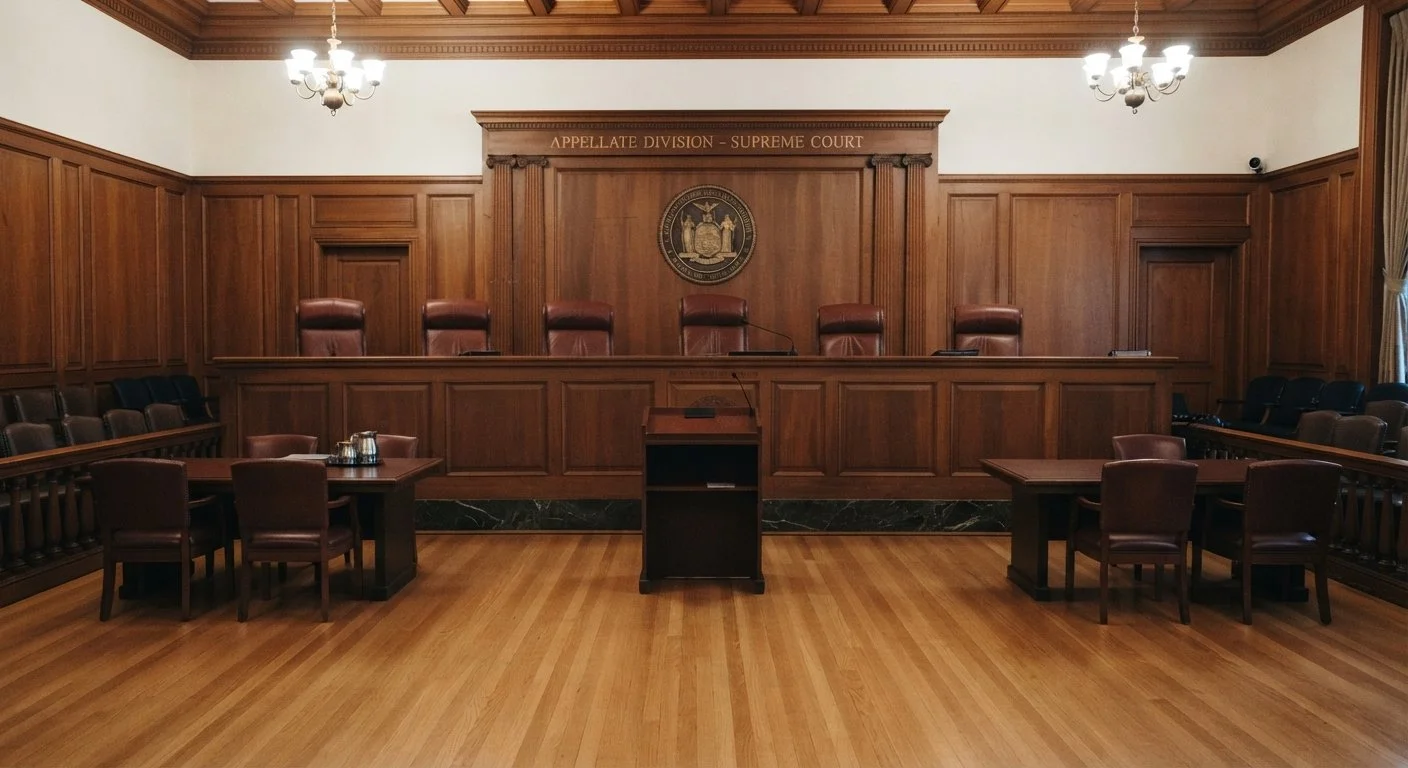
Image created with Gemini AI Studio.
I’ve heard on the legal-writing-grapevine that more and more trial lawyers are choosing to handle their client(s)’ appeals. If you are a top-notch trial lawyer, you might think you can defend (or get) a favorable outcome at the appellate level. I think the upswing in trial lawyer led appeals is due to the increasing capabilities of generative AI tools. But no matter how good the AI tool, and no matter how careful you are in checking the AI’s output, if you handled your client’s case at trial you need a set of appellate trained eyes on the appeal to ensure you win, or defend your client’s win, in front of a panel of appellate judges.
An appeal is not a second trial. The skills you have as a stellar trial attorney do not cleanly map onto the skills you need to win or defend an appeal. Trial work rewards speed, instinct, and clever narratives. Appellate work rewards a slow, careful reading of a record alongside a complete reading of the most relevant authorities.
As a trial lawyer you already lived through the record and controlling law once. Even if you read it again – slowly and thoroughly – your eyes will glaze over the parts that are most familiar to you. Homing in on those parts might be (and often is) the key to an appellate win.
As a trial lawyer you garnered vast knowledge about a topic as you prepared for trial. But it works against you on appeal: in a lawyer’s version of the “curse of knowledge,” trial lawyers often assume that appellate judges know and understand the context in which their client’s claim or defense arose. An appellate lawyer will frame the issues in a way that gives the appellate judges the knowledge and information they need to rule in your client’s favor.
As a trial lawyer you know which narrative will move the jury or judge-as-factfinder. The tone you take at trial almost never works on appeal – and it’s hard for successful trial lawyers to tone down trial level argument making to meet the academic demands of an appeal. An appellate lawyer will digest the entire record, synthesize the law, and draft a brief that captures the equities through a measured marshaling of the facts.
So do the smart thing for your clients. Hire an appellate lawyer as Of Counsel to your firm to handle your client(s)’ appeals.