

Commentary on various legal topics.
These posts are not updated and are not a statement of current law.
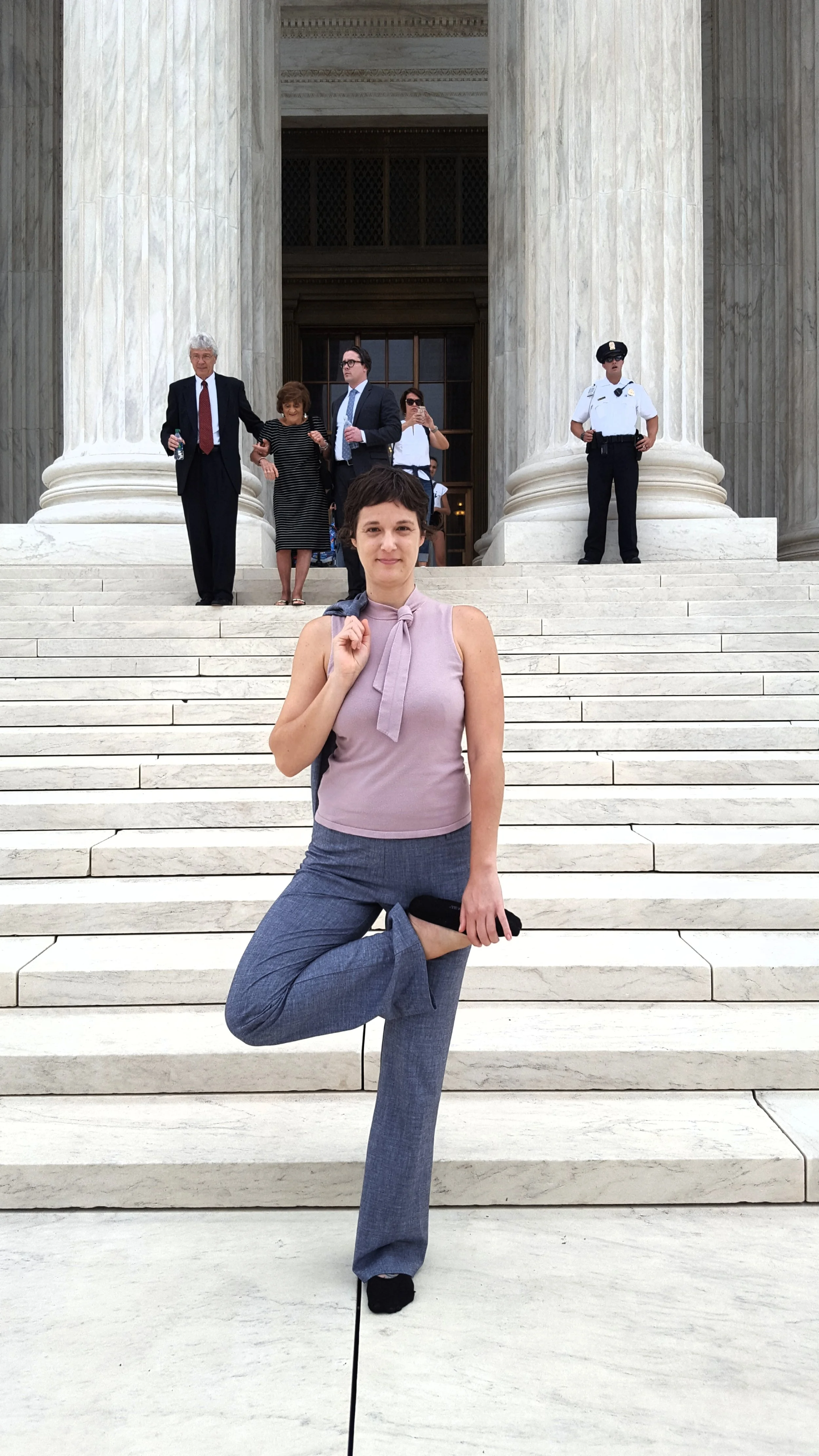
The Best Advice I Didn't Take (and how it led to my admission to the Bar of the U.S. Supreme Court)
As a young attorney, I was once told to drop all “illusions of grandeur” and focus on making a living. It was sage advice–for then. These days I allow illusions of grandeur to inspire my goals, which is what some like to call “thinking big.” It’s a far more interesting way to proceed–in both life and in a career. And it led me to gaining admission to the Bar of the U.S. Supreme Court this Spring. Keep reading to see how it went.

Lawyers: you should use more humor.
We lawyers can be a dour bunch. But we don’t have to be. I try to use humor in my oral and written arguments as much as possible. Keep reading to find out why you should too.

How I streamlined my (brief) writing process.
Over (my very busy) summer, I had four appeal briefs due in two weeks. Read about how I got it all done without losing my mind. Hint: it involved a tightly streamlined writing process.

Be a stickler for the (state and federal) rules.
We lawyers work within the rule of law; so we necessarily work with a ton of rules. Love it or hate it, your success as a litigator depends on knowing which procedural rules apply to your case (and making sure you follow them precisely). In this post, I share my two part method for navigating the sea of rules in state, federal, and immigration courts that ensures neither my papers nor my arguments are rejected because I missed an applicable rule.

Unlock your writer's block.
Raise your hand if you are a lawyer who does NOT get writer's block. Anyone? I thought so. Keep reading cause this post is for lawyers who battle the block and want to know how to unlock it.

When is a case too old to cite?
Is it good lawyerly judgment to cite a case from the 1800s? In this post I tell you how far back you should go–and what else you should do–to find persuasive case law.